November 10, 2026
A roof protects more than the rooms directly beneath it. It helps keep moisture out of the structure, withstands daily exposure to sunlight, and contributes to how a home looks from the street. When the shingles begin to deteriorate, those responsibilities become harder to fulfill. Choosing new roofing should therefore involve more than finding a color that complements the exterior.
Durability depends on the material selected, the conditions it will face, and how the entire roofing system is installed. A long-lasting shingle can still disappoint if water cannot drain properly or problems beneath the surface go unaddressed. Understanding these connections helps homeowners make a more informed decision before their next installation.
Understand the Differences Between Asphalt Shingles
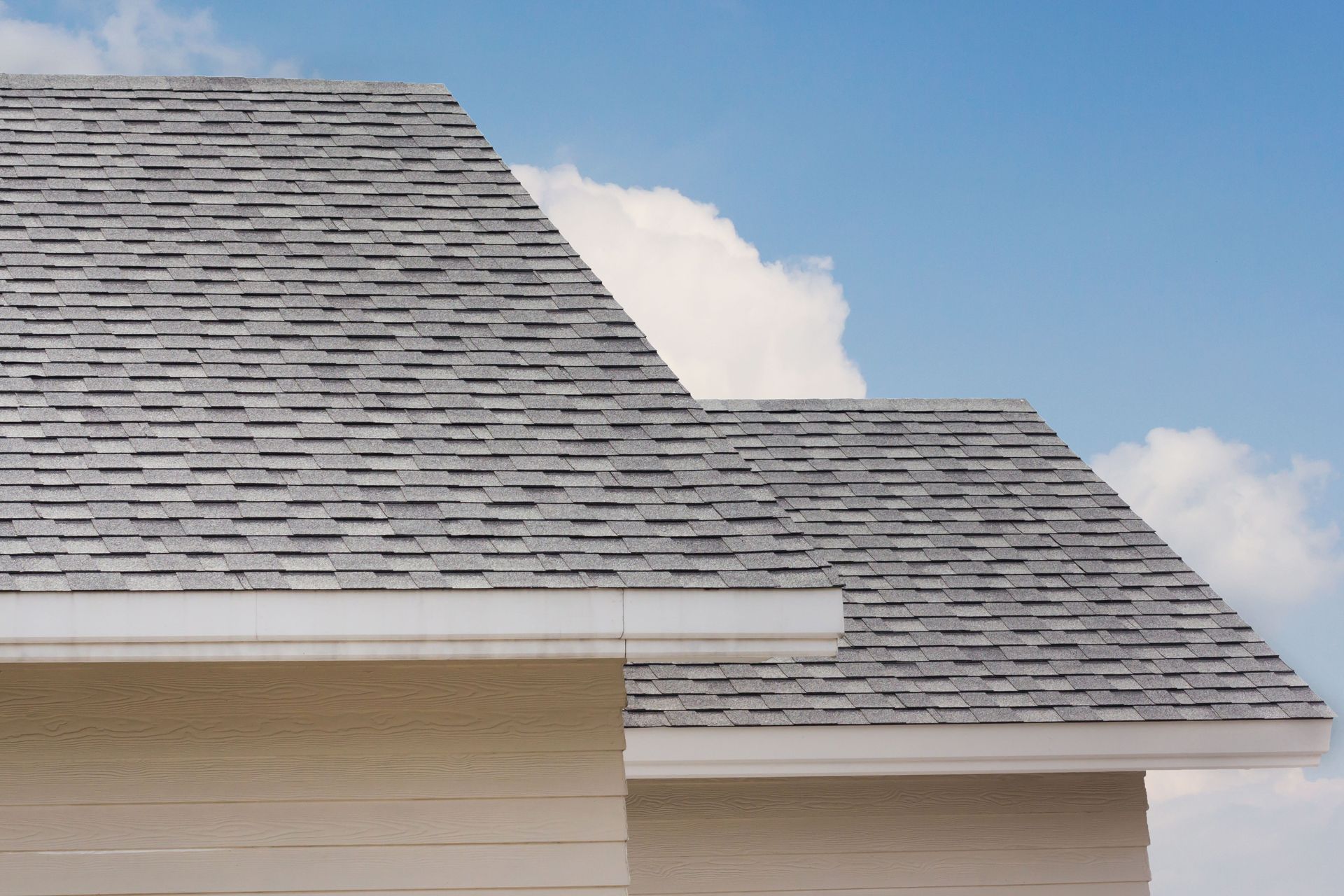
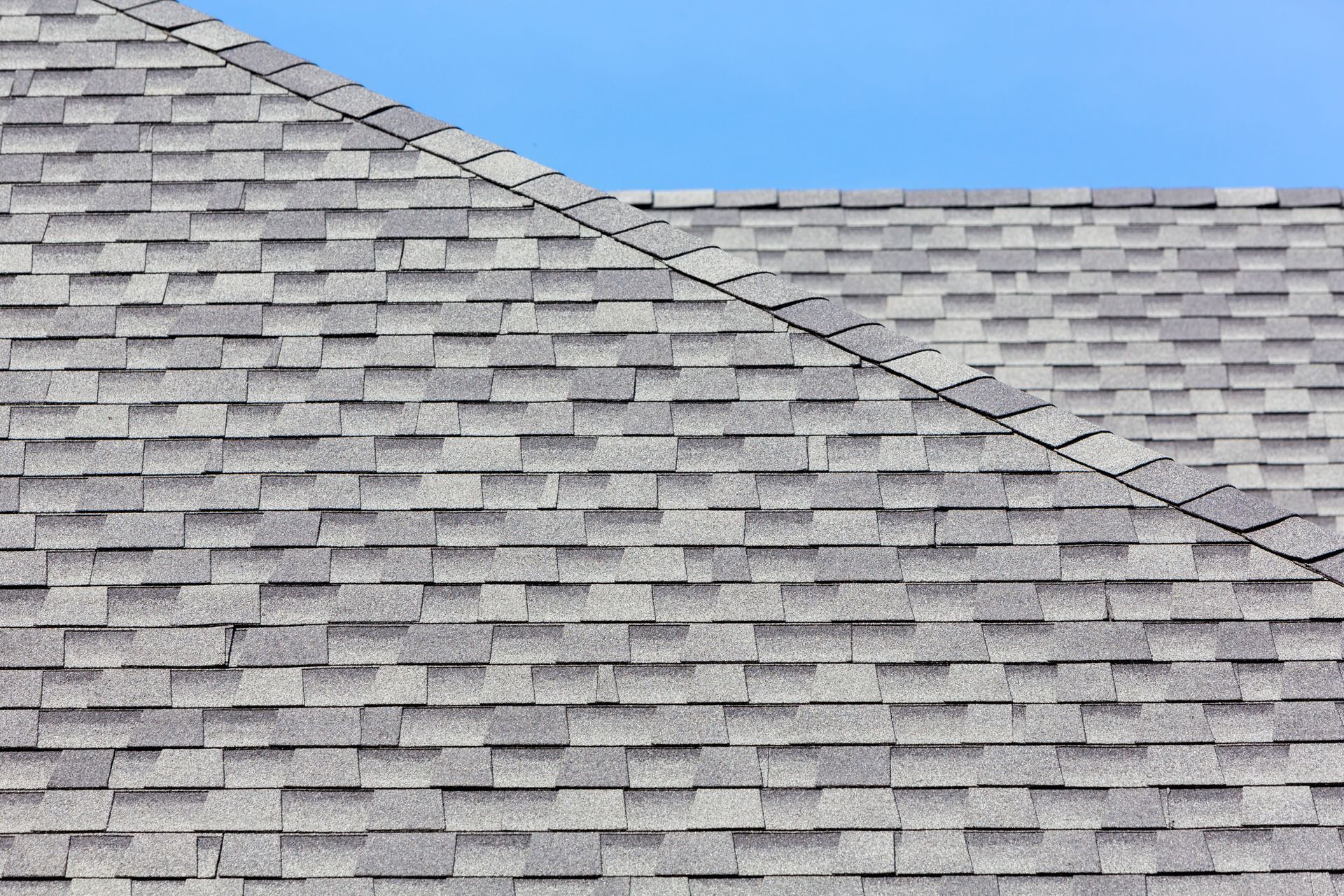
Not all asphalt shingles are built alike. Traditional three-tab products have a relatively flat, uniform appearance, whereas architectural shingles use a layered construction that creates greater visual depth. Product composition and manufacturer specifications also influence resistance to wind, weathering, and everyday exposure. The appearance of a shingle alone cannot establish how well it will perform.
According to HomeGuide, composite, metal, and natural slate shingles are among the longer-lasting roofing choices, while conventional three-tab asphalt shingles generally have a shorter service life. That comparison is useful when considering asphalt options: even within one material category, durability can vary considerably. For asphalt roof installations, the more relevant question is which available shingle design and performance characteristics fit the home. Architectural and three-tab options should be compared by their documented ratings and suitability, not by appearance alone.
Match Shingle Performance to Sun and Weather Exposure
Shingles endure changing conditions throughout the year. Intense sunlight can gradually age asphalt materials, and repeated heating and cooling may contribute to wear over time. Wind can place stress on vulnerable edges, while rain tests how effectively the roof sheds water. Homes near the coast may experience a different combination of moisture and environmental exposure than homes farther inland. Roof edges and corners can also face stronger wind forces than other parts of the surface.
The right choice is not necessarily the same for every property. Roof slope, surrounding exposure, and local weather patterns all influence the demands placed on the covering. A contractor can discuss manufacturer specifications for wind resistance and other relevant performance characteristics when comparing materials. In roof installations, selecting shingles suited to the setting is a more meaningful durability strategy than relying on a generalized claim that a particular style lasts longer. The objective is appropriate protection under the conditions the roof is likely to encounter.
Remember That Water Protection Requires More Than Shingles
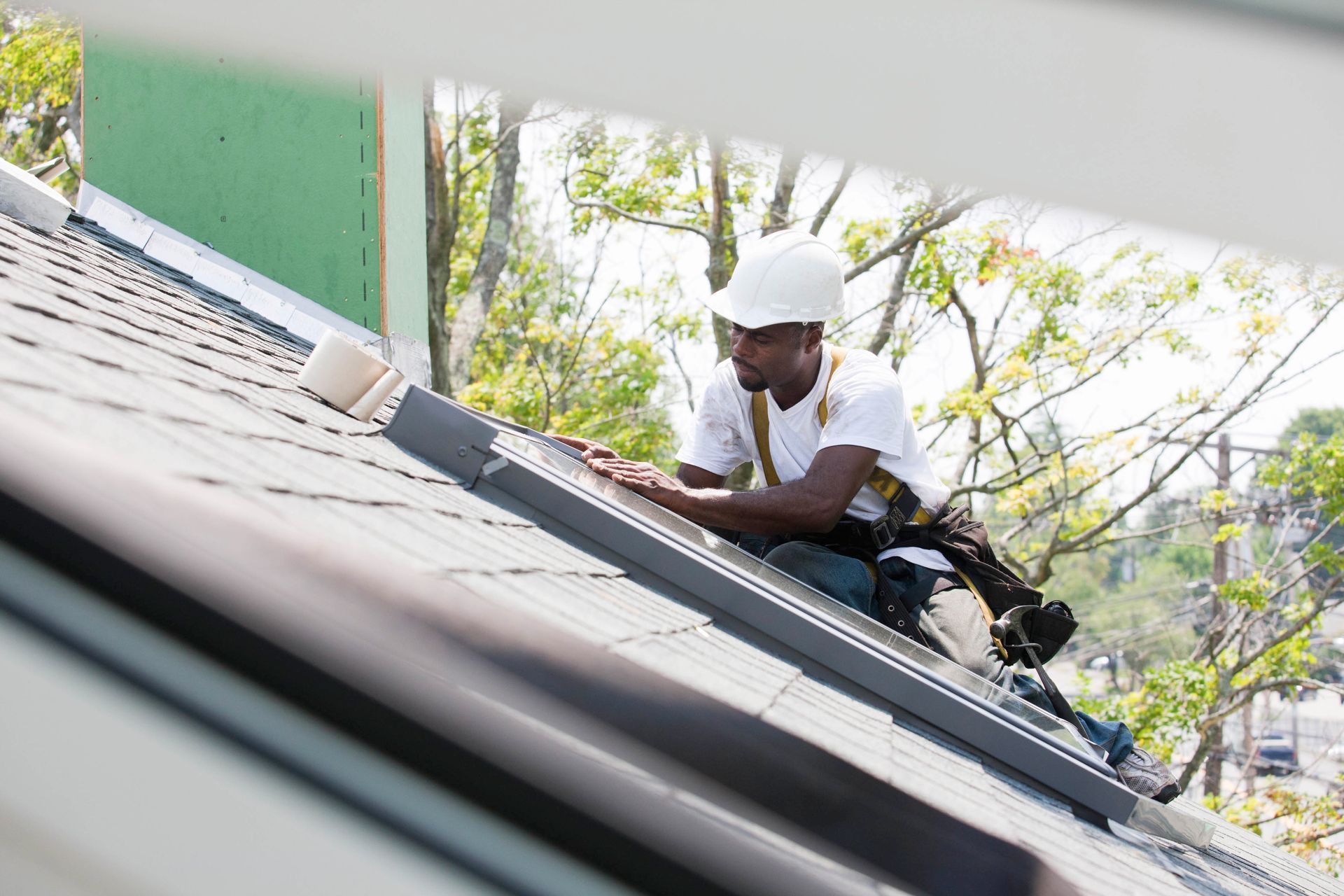
Shingles are the visible surface of a roofing system, but they cannot provide complete protection by themselves. Their overlapping arrangement helps direct water downward, while underlayment provides a secondary protective layer. Flashing helps manage water at transitions and penetrations, where roof planes meet another surface or an opening interrupts the covering. If these elements are poorly integrated, even durable shingles may be unable to prevent moisture intrusion.
Drainage also depends on careful installation and the relationship between the roof and its gutters. Water should be able to move away rather than collect at vulnerable areas. At valleys and roof edges, water moves through particularly exposed areas, so transitions between materials deserve close attention. The quality of roof installations therefore rests partly on details that homeowners may never see from the ground. When discussing shingle durability, ask how the surrounding components support water shedding. A properly coordinated system gives the chosen shingles the conditions they need to perform their protective role.
Consider Ventilation Alongside the Roofing Material
Attic ventilation might seem unrelated to the shingles on the exterior, yet trapped heat and moisture can affect the conditions beneath a roof. Inadequate ventilation may contribute to unwanted temperature and humidity buildup, depending on the home's design. These conditions can create problems for roof components even when the outer covering appears sound. Ventilation must also work with insulation and the overall attic arrangement, rather than be judged by the presence of a single vent.
For that reason, ventilation deserves attention during roof installations rather than being treated as an entirely separate concern. A professional can evaluate whether existing ventilation is suitable and whether adjustments or ridge vent integration are appropriate for the proposed roof. More openings do not automatically mean better performance; their placement and compatibility matter. Considering ventilation with shingle selection helps protect the roof as a complete assembly rather than assuming a durable surface can compensate for underlying environmental problems.
Make Sure the Roof Deck Is Ready for New Shingles
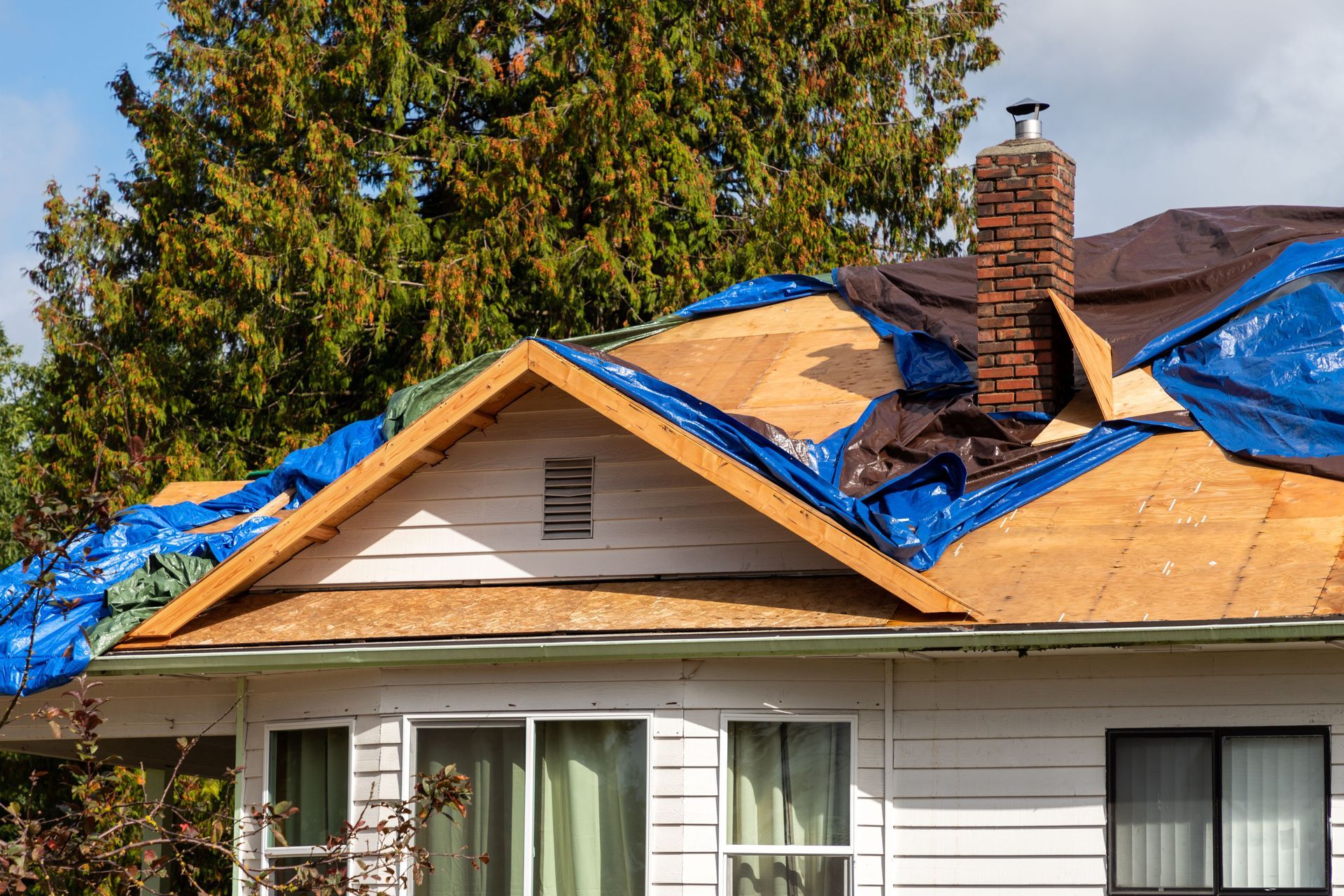
A new surface needs a stable base. The roof deck supports the materials installed above it, so damage or deterioration in that layer can compromise the result. Moisture-affected sections, uneven surfaces, or weakened areas should not simply be hidden beneath fresh shingles. An installation may look finished from the street while unresolved deck problems remain out of sight.
Professional roof assessments help establish what condition the existing structure is in before new materials are fitted. Preparation and necessary repairs can create a more dependable foundation for the covering, while careful alignment and transitions contribute to a consistent finished roof. This is one reason roof installations cannot be judged only by the brand or appearance of the shingle. Durability comes from how the material works with its supporting structure. Addressing relevant concerns before installation gives the new roof a better chance to perform as intended.
Look Beyond Appearance When Choosing Color and Style
A roof occupies a substantial portion of a home's visible exterior, so appearance matters. Asphalt shingles come in varied colors and styles, allowing the finished roof to complement siding, trim, and architectural features. A dimensional shingle may lend texture to a broad roofline, while another profile better suits a simpler design. Those choices affect curb appeal, but aesthetics should not push performance requirements aside.
Some asphalt products also offer energy-efficient features worth discussing in relation to the home's exposure and needs. Color alone should not be treated as proof of energy savings; actual performance depends on the specific product and broader roofing conditions. For roof installations, a thoughtful selection combines the desired appearance with verified product characteristics. The result should feel visually appropriate without relying on decorative preferences to answer questions about weather resistance or service life.
Installation Quality and Future Care Influence Longevity
A durable product does not eliminate the need for skilled workmanship. Correct placement, fastening, underlayment, flashing, and ventilation integration affect how an asphalt shingle roof functions. Installation practices also matter for manufacturer warranty requirements, which can differ among products and should be understood before work begins. A high-performing shingle cannot make up for every installation defect.
The roof's condition will continue to change after installation. Weather events, aging materials, and isolated damage may create a need for professional inspection or repair. Addressing a damaged section early can help prevent a localized concern from spreading, although no roof is immune to wear. Good roof installations are the beginning of long-term protection, not a guarantee that attention will never be needed again. Choosing an appropriate shingle and ensuring it is installed carefully creates a stronger foundation for future upkeep.
Shingle durability is best understood as the product of informed material choices and a roofing system built to support them. A roof that suits its environment and receives careful installation is better positioned to protect the home through years of changing conditions. At Advanced Roofing Systems Inc, we install asphalt shingle roofs and assess the related components that influence their performance. Contact us to discuss your next roof installation and the shingle options suited to your home.