January 6, 2026
Discover the transformative power of expert roof installations, which not only protect but also enhance your home's aesthetic appeal. Roofs play a critical role in shielding your home from the elements while contributing to its overall architectural style. With the right materials and techniques, you can significantly improve both the functionality and visual charm of your residence. From selecting the appropriate materials to understanding the benefits of professional installation, a well-executed roofing project can elevate your living space's value and comfort. By choosing expert installations, homeowners can ensure a durable, elegant, and sustainable roof that meets their unique needs and preferences. Roof installations also continue to rise in demand as homeowners look for long-term durability.
Choosing the Right Material for Your Roof
Considerations for Different Climates
The climate in which you reside significantly influences the type of roofing material best suited for your home. In areas with heavy rainfall or snow, materials must be resilient to prevent water damage and leaks. Conversely, in hotter climates, reflective or energy-efficient materials can help reduce cooling costs. Understanding these climate-specific needs allows homeowners to make informed choices that enhance the longevity and performance of their roofs. It's crucial to consult with roofing experts who understand regional climate nuances for optimal material selection.
Comparing Popular Roofing Materials
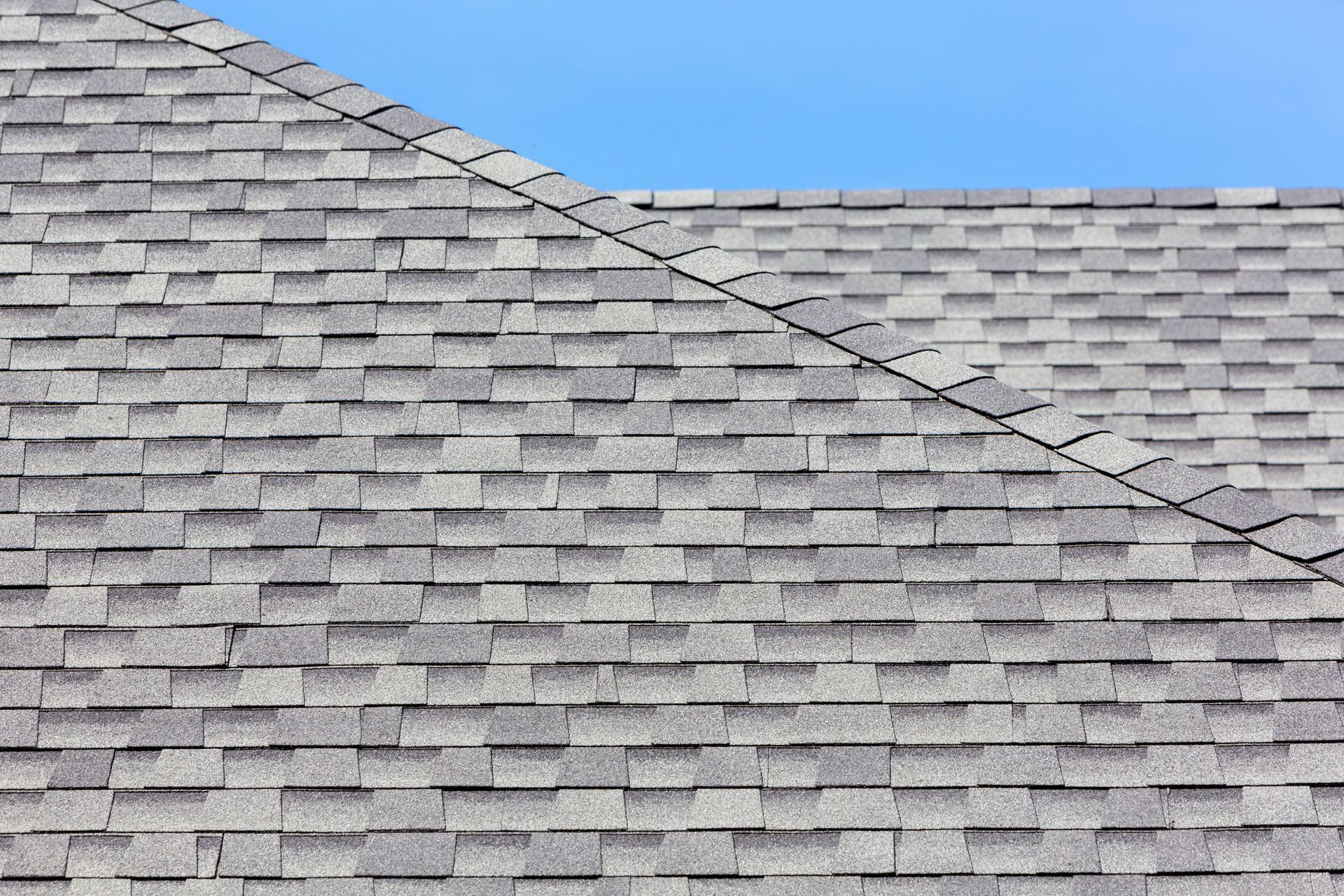
Choosing the right roofing material involves comparing various options like asphalt shingles, metal, and tile. Asphalt shingles are popular due to their affordability and ease of installation, making them a top choice for many. Metal roofs offer durability and require minimal maintenance, ideal for those looking for longevity. Tile roofs, known for their aesthetic appeal, provide excellent insulation but require meticulous installation. According to RubyHome.com, an estimated 5 million roofs are installed each year. This widespread demand highlights the continued need for strong, reliable roof installations across the country.
Long-term Durability and Maintenance
The durability of roofing materials is paramount in determining their value over time. While initial costs may vary, investing in materials with proven longevity can lead to significant long-term savings. Regular maintenance is essential, regardless of the material chosen, to ensure that roofs remain in peak condition. This includes periodic inspections, cleaning, and addressing minor repairs to prevent more extensive damage. Homeowners are encouraged to evaluate the upkeep requirements of each material as part of their decision-making process.
Cost vs. Value: Making a Smart Investment
Choosing a roofing material requires balancing initial costs against long-term benefits and value addition. High-quality materials may have a higher upfront cost but often provide better protection and lower maintenance needs over time. The increased home value that comes with a well-installed roof also offsets initial expenses. By considering both the present cost and future savings, homeowners can make informed investments in their properties. Ultimately, smart investment ensures enhanced comfort, safety, and marketability of the home.
Style and Aesthetic Considerations
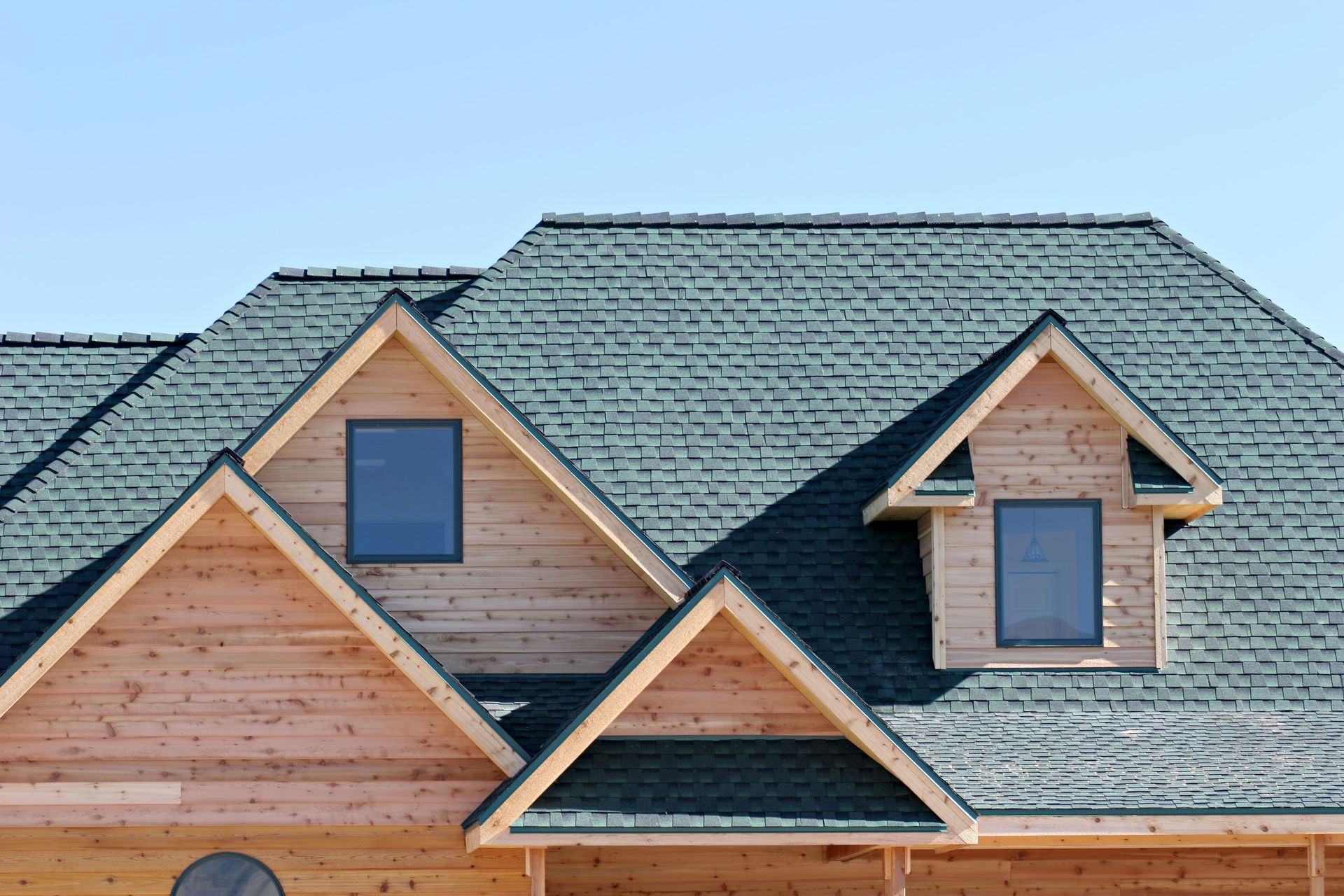
The aesthetic aspect of a roof is as important as its functional components. Selecting materials that complement your home's architectural style can significantly enhance curb appeal. From the classic look of clay tiles to the sleek modern appearance of metal, each material offers unique aesthetic possibilities. Engaging with design experts can help you make a choice that not only meets practical needs but also enhances the overall visual harmony of your property. This balance of style and functionality is key to maximizing your home's appeal and value.
Preparation and Planning for Roof Installation
Conducting a Roof Inspection
A thorough roof inspection lays the foundation for a successful installation project. This includes assessing the current condition of the structure and identifying potential problem areas. An inspection helps in planning necessary repairs and mitigating risks before they escalate. Professional roofers offer in-depth evaluations to ensure no aspect is overlooked. Informing your contractor about past issues and any specific preferences will lead to more precise recommendations.
Budgeting for Your Roof Project
Budgeting is a crucial component of the roof installations, encompassing current estimates and unforeseen expenses. While upfront costs are clear, potential additional expenses can emerge, such as unexpected structural repairs or premium material requirements. Effective budgeting involves setting aside a contingency fund to manage these surprises smoothly. Consider consulting with financial advisors to better plan and allocate funds. Accurate cost predictions reduce stress and ensure your project progresses without financial hitches.
Timeline: Setting Realistic Expectations
Understanding the timeline for roof installations sets realistic expectations and avoids delays. The duration of the project is influenced by factors like the size of the roof, chosen materials, and weather conditions. On average, a straightforward roof installation could take between a few days to a couple of weeks. Discussing these aspects with your contractor helps align schedules and reduce inconvenience. Proper planning and transparency form the backbone of a timely and efficient process.
Selecting a Qualified Contractor
Finding a qualified roofing contractor is paramount to the success of your roofing project. Vet potential contractors based on their experience, certifications, and client feedback. Transparent communication, reliability, and professionalism are key traits to look for in a roofing expert. Recommendations from friends or community reviews can guide you toward reputable contractors. With the right professionals, you can rest assured of high-quality workmanship and a smooth installation process.
Permits and Regulations
Navigating the legal landscape—obtaining the necessary permits and adhering to local safety regulations—is a critical initial step. These permits ensure compliance with building codes and safety standards, thereby preventing legal issues in the future. Professional contractors can assist in this bureaucratic process, ensuring all requirements are met promptly. Understanding local regulations also helps in preventing costly fines or delays. Ultimately, proper paperwork and compliance assure a smooth, legally sound roofing journey.
The Roof Installation Process
Removing the Old Roof
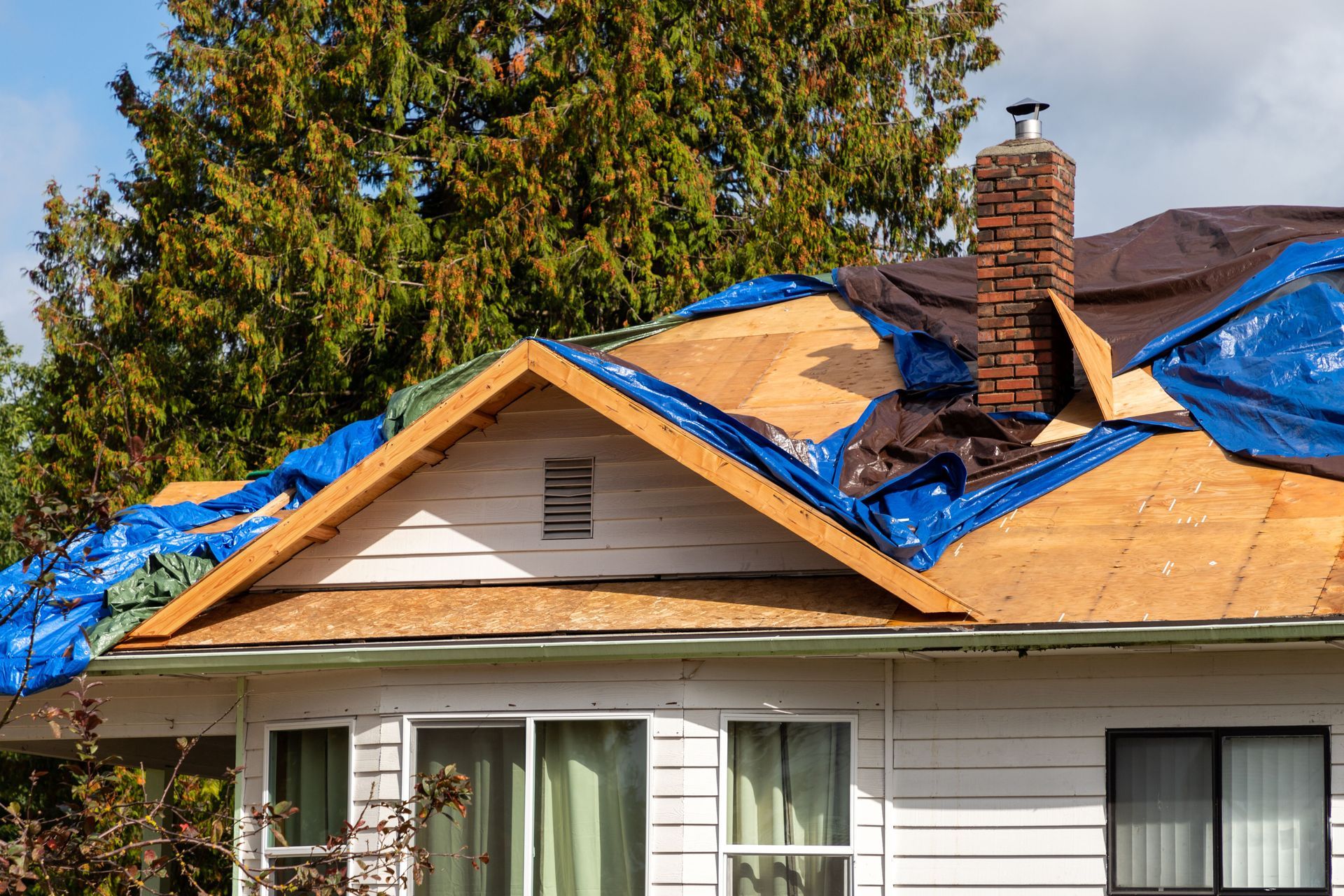
The first step in the roof installation process often involves removing the existing roofing system. This phase requires careful handling to prevent damage to the underlying structure. Skilled professionals use specialized tools to efficiently strip old materials without causing unnecessary disruption. Proper disposal of old roofing and debris is essential to maintain a clean, secure work environment. Adhering to ecological disposal practices minimizes environmental impact and fulfills regulatory obligations.
Installing Underlayment and Deck
The underlayment forms a crucial component of the roofing system, providing a protective barrier beneath the surface materials. It's essential to select high-quality underlayment that aligns with the roofing material for optimal performance. Following underlayment installation, the deck acts as a solid base for subsequent layers, ensuring stability and strength. This step forms the foundation for a durable and weather-resistant roofing system. Proper application techniques are crucial to avoid future leaks and other structural issues.
Application of Roofing Material
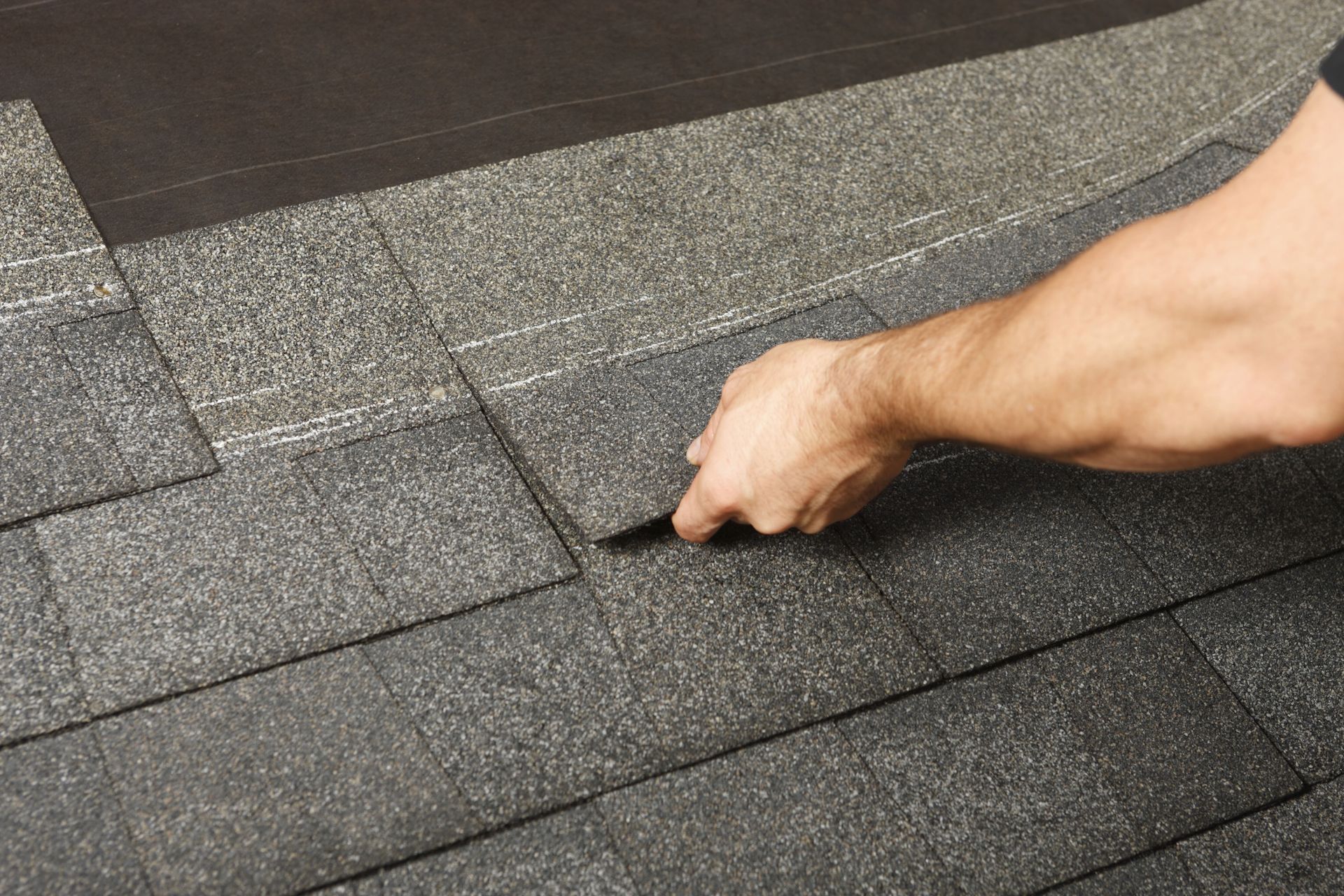
The roofing material application is where the visible transformation begins. Depending on the chosen material—be it asphalt, metal, or tile—specific installation techniques must be adhered to for optimal results. The process demands precision and meticulous attention to detail to ensure an even, well-aligned finish. Professional roofing contractors bring knowledge and expertise to this step, minimizing installation errors. The result is a beautiful, durable roof that enhances your property's aesthetics and protection.
Focus on Details: Flashing, Ventilation, and Insulation
Attention to details such as flashing, ventilation, and insulation is crucial in achieving a well-functioning roof. Properly installed flashing prevents water ingress around joints and edges, extending the roof's lifespan. Ventilation regulates temperature and moisture levels, enhancing energy efficiency and indoor comfort. High-quality insulation reduces energy consumption and offers a sustainable living environment. These components, meticulously executed, ensure a robust, efficient roofing system.
Expert roof installations go beyond simple necessity, offering a pathway to enhance your home's aesthetics, functionality, and sustainability. Making informed decisions around materials, contractors, and processes ensures a seamless installation that maximizes the benefits of your investment. As you embark on your roofing journey, consider not just the immediate needs but also the long-term value and ecological impact of your choices. By prioritizing expert installations, you enhance your home's resilience and market appeal, creating a beautiful, enduring refuge. Ultimately, investing in quality roofing signifies a commitment to your home’s present and future well-being. If you need reliable roof installations, make sure to contact Advanced Roofing Systems Inc today!